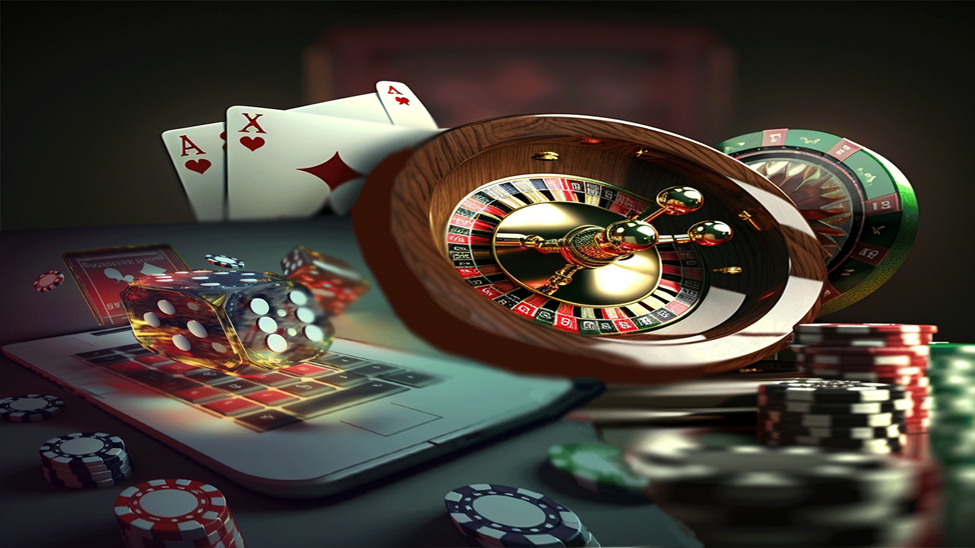
The Allure of the Casino Experience
Casinos are designed to captivate and engage visitors through a combination of bright lights, exciting sounds, and the promise of potential winnings, often drawing in those who may not realize the impact of their choices as they navigate the allure of slow roots in this fast-paced environment. The atmosphere alone can entice individuals to frequent these venues, leading them to overlook the underlying costs associated with their visits. Many people view casinos as places of entertainment, yet it is essential to recognize that the experience can come with financial repercussions that extend beyond the gaming table.

When one considers a night out at the casino, they often focus on the amount of money they intend to gamble. However, the true cost of a casino visit includes additional expenses such as transportation, food, and drinks. These extra costs can quickly accumulate, transforming what seems like a manageable outing into a significantly more expensive affair. For instance, opting for premium dining options within the casino can lead to substantial bills, reflecting a spending pattern that many patrons might not anticipate as part of their casino experience.
Moreover, the excitement of gambling may lead to impulsive financial decisions. Players might find themselves wagering large sums in the heat of the moment, encouraging them to spend more than they originally intended. This often results in a hidden cost where the thrill of potential winnings overshadows the reality of lost funds, leading individuals to chase losses or gamble beyond their means. Overall, understanding the multifaceted allure of casinos is crucial in evaluating the true costs of frequent visits.
The Financial Impact of Gambling
Frequent visits to casinos can result in significant financial strain, primarily if gambling is treated as a source of income rather than a form of entertainment. Many individuals underestimate the odds of winning. The house edge ensures that, over time, the casino will always profit, leading to potential long-term losses for the average player. This reality highlights the importance of viewing gambling as a leisure activity rather than a reliable way to generate income.
Additionally, the concept of loss chasing can exacerbate financial woes. After experiencing losses, many gamblers may feel compelled to spend even more money in a bid to recover their previous losses. This behavior can spiral into a cycle where the individual invests increasingly larger amounts of money, ultimately leading to significant financial distress. Recognizing the emotional and psychological factors that drive such decisions is essential for anyone who regularly visits casinos.
It is also important to consider the long-term effects of gambling on one’s financial health. Regular casino visits can contribute to debt accumulation, affecting not only personal finances but also family dynamics and relationships. When individuals prioritize gambling expenses over essential bills or savings, the repercussions can be devastating, causing strife and stress that far outweigh any temporary enjoyment derived from the gaming experience.
Time as a Hidden Cost
In addition to financial implications, the time spent at casinos can be a significant hidden cost. Many frequent visitors underestimate how many hours they spend gambling, dining, and socializing within these establishments. Time spent in casinos often leads to neglect of other responsibilities, such as work obligations, family commitments, or personal care. This diversion can lead to an unbalanced lifestyle where individuals prioritize casino visits over essential life activities.
The phenomenon of time distortion is particularly prevalent in casinos, where the environment is designed to make it difficult for patrons to keep track of time. The absence of windows and clocks creates a sense of timelessness, allowing visitors to lose hours, if not entire days, without realizing it. As a result, individuals may miss out on valuable moments and opportunities outside of the casino, ultimately leading to feelings of regret and dissatisfaction.
Furthermore, the social aspect of frequent casino visits can contribute to the hidden cost of time. While many go to the casino to socialize with friends or meet new people, these interactions can sometimes lead to poor decision-making regarding gambling and spending. The desire to fit in or keep up with others can compel individuals to prioritize time at the casino over other enriching experiences, such as hobbies, education, or family activities. This shift in priorities can have lasting effects on one’s social life and overall well-being.
The Psychological Effects of Casino Engagement
The psychological impact of frequent casino visits cannot be understated. Gambling can lead to an array of emotional and mental health issues, including anxiety, depression, and even addiction. The thrill of playing and potential for winning can trigger feelings of elation, but these highs are often followed by the lows of loss, which can create a tumultuous emotional rollercoaster for regular gamblers. Understanding these psychological effects is crucial for anyone involved in gambling.
Moreover, the social pressure and stigma associated with gambling behavior can lead individuals to silently struggle with their choices. The fear of judgment can inhibit communication and support-seeking behaviors, making it harder for individuals to recognize when their casino visits may be detrimental to their mental health. Seeking help or talking about gambling struggles can feel taboo, perpetuating the cycle of overindulgence and its accompanying emotional devastation.
The interplay between gambling and psychological well-being extends beyond immediate feelings of stress or euphoria. Over time, frequent visits can contribute to distorted perceptions of risk and reward, leading to unhealthy decision-making. Developing a gambling habit can alter one’s worldview and create a false sense of security around financial risk-taking. Ultimately, this can lead to repeated visits to casinos, often with devastating consequences for an individual’s mental health and overall quality of life.
Exploring Responsible Gambling Resources
As awareness of the hidden costs associated with frequent casino visits grows, many individuals begin to seek solutions to manage their gambling habits effectively. Numerous organizations and resources specialize in promoting responsible gaming and providing support for those struggling with gambling-related issues. These resources often include educational materials, counseling services, and support groups, aimed at helping individuals regain control over their gambling behaviors and financial situations.
Responsible gambling tools, such as self-exclusion programs and budgeting apps, are becoming increasingly accessible in many jurisdictions. These initiatives empower individuals to set limits on their gambling activities, whether by restricting their time spent at casinos or their financial expenditures. Utilizing such tools can pave the way for a healthier relationship with gambling, allowing individuals to enjoy the entertainment aspect while minimizing potential harm.
Staying informed about the potential hidden costs associated with frequent casino visits is vital in addressing gambling issues effectively. Engaging in open conversations about gambling habits, seeking support, and utilizing available resources can help individuals navigate the complexities of their relationship with casinos. Fostering awareness and open dialogue can ultimately lead to healthier choices and a more enjoyable experience when visiting casinos without succumbing to the pitfalls of overindulgence.